A closer look at Everglades habitats
Sloughs, tree islands and mangrove margins reveal a landscape shaped by small differences in water and elevation.
The Everglades rewards a closer look. From a distance, a large stretch of wetland can seem like one continuous surface. Look more carefully and differences appear: open water, stands of vegetation, raised pockets of trees and the darker edges of a coastal channel. Those differences are central to the place.
Everglades National Park protects part of a wider ecosystem. Its habitats are not a single undifferentiated swamp, and the park boundary does not contain the whole story of water in southern Florida. Treat a photograph’s location and habitat as useful information, rather than as a decorative label.

Everglades National Park: 3 Hikes + 90 minute Boat Tour + Lunch
This tour will allow you to experience the mysterious and iconic Everglades National Park on this small group (less than 12 guests) adventure led by a...

Flamingo Everglades National Park 9-Mile Pond Canoe Adventure
Nine Mile Pond is one of the Everglades' most iconic paddling destinations, offering a true backcountry experience t...

Flamingo Everglades Boat Tours
We are 38 miles inside the Everglades. This is where you will venture up the Buttonwood Canal through Coot Bay and T...
You do not need to identify every plant to enjoy the landscape. Begin with simple observations. Notice where water is visible, how tall the vegetation becomes, where shade gathers and how the ground changes along a designated trail. Interpretation from park staff and carefully chosen guides can connect those observations to a larger pattern.
Sloughs and the broad view
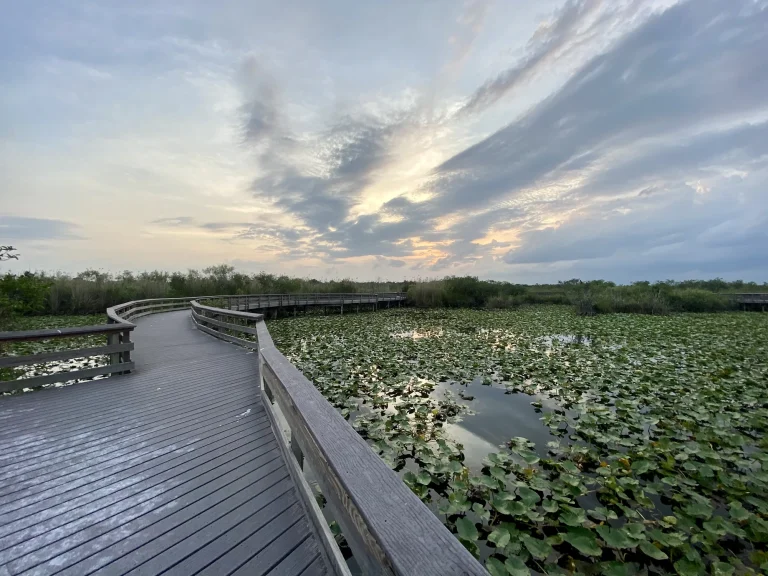
The National Park Service describes a slough as a low-lying area that channels water. These wetland rivers can carry water with a remarkably leisurely current. The park contains Shark River Slough and the smaller Taylor Slough, within a larger water system whose history includes substantial human alteration.
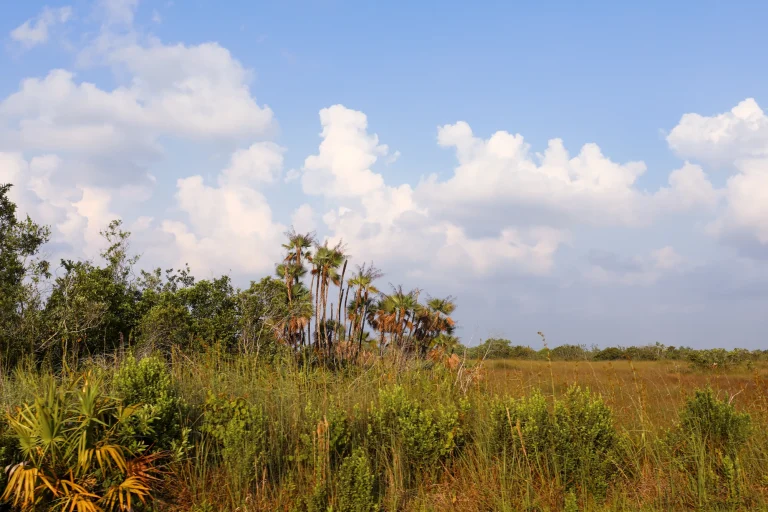
For a visitor, the broad view is a chance to pay attention to relationships. A distant tree island, a band of sawgrass and a patch of reflective water all belong to the same scene. Keep the horizon in the picture when you photograph it; an extreme close crop may remove the very scale that first caught your attention.
Tree islands and hardwood hammocks
A hardwood hammock is a stand of broad-leafed trees growing on a slight natural rise. In a landscape with small changes in elevation, that difference matters. Hammocks can occur within other Everglades habitats, and their shaded interiors offer a different visual and sensory experience from an open wetland edge.
Observe from established routes. Vegetation that looks accessible in a photograph is not an invitation to step off a trail. A guide to habitat helps you understand what you are seeing; it does not replace rules that protect plants, wildlife and cultural places. Never describe a tree island as empty or available simply because people are not visible there.
Mangroves at the coastal margin
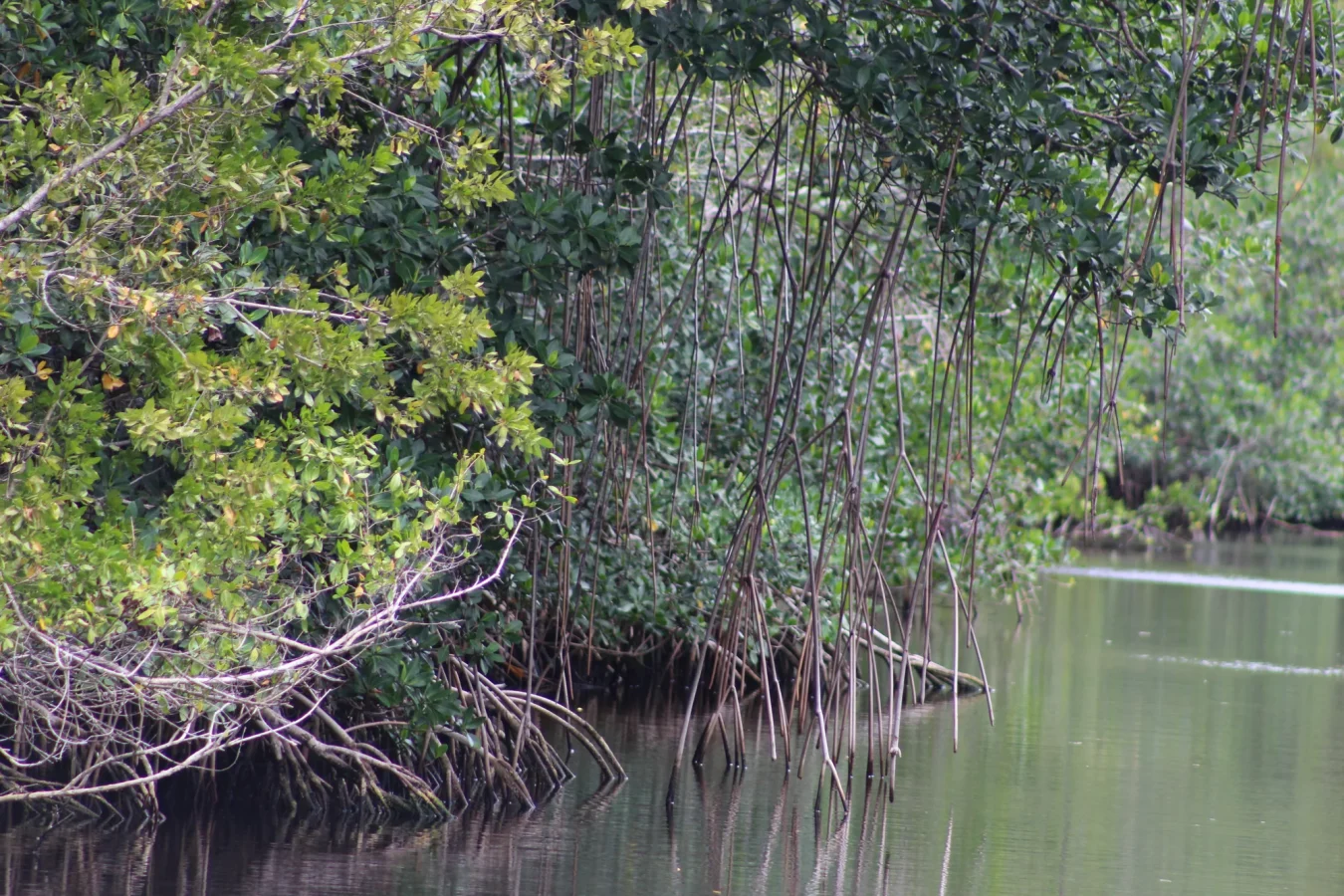
Mangrove forests grow along coastal channels and winding rivers around southern Florida. The NPS identifies red, black and white mangroves in the park’s tidal environments. The stilt-like roots of red mangroves are especially recognizable, but the value of the habitat goes beyond its striking appearance.
These coastal environments differ from inland freshwater settings. Before a paddling or boating activity, learn about the exact route and the skills, equipment and conditions it involves. A photograph of calm water does not establish that another day, tide or route will be easy. Keep any practical decision anchored in current information and qualified local guidance.
Look carefully without getting closer
Wildlife is part of the landscape, not a scheduled attraction. Observe from a safe distance, follow park directions and never feed or approach an animal for a photograph.
A longer lens or a wider composition often tells a better story than moving closer. Include habitat around an animal when you can do so safely. Leave room in your expectations for a quiet visit with few visible animals. The pattern of water and plants remains worth noticing.
The same care applies to captions. Identify a place only as precisely as your source supports. A generic Everglades photograph should not be relabeled as Shark Valley, Flamingo or a particular trail without evidence. Cultural histories also deserve their own sources and voices; ecological interpretation does not replace the accounts of people whose homelands include this region.

Everglades National Park Self Guided Driving Tour Audio/GPS
Want to know where to turn off? What's at each stop? The history of the Natives? The story of the animals? Why are t...
Everglades National Park: 3 Hikes + 90 minute Boat Tour + Lunch
This tour will allow you to experience the mysterious and iconic Everglades National Park on this small group (less...
Flamingo Everglades Boat Tours
We are 38 miles inside the Everglades. This is where you will venture up the Buttonwood Canal through Coot Bay and T...
Build a visit around contrast
- Pair one broad wetland view with one designated shaded or coastal stop.
- Read an interpretation panel before deciding what to photograph.
- Keep a short list of observations: water, vegetation, shade and scale.
- Choose an alternative activity if weather or access changes.
Everglades National Park: 3 Hikes + 90 minute Boat Tour + Lunch
This tour will allow you to experience the mysterious and iconic Everglades National Park on this small group (less...
Everglades National Park Self Guided Driving Tour Audio/GPS
Want to know where to turn off? What's at each stop? The history of the Natives? The story of the animals? Why are t...
Flamingo Everglades Boat Tours
We are 38 miles inside the Everglades. This is where you will venture up the Buttonwood Canal through Coot Bay and T...
Everglades National Park: 3 Hikes + 90 minute Boat Tour + Lunch
This tour will allow you to experience the mysterious and iconic Everglades National Park on this small group (less than 12 guests) adventure led by a...
Flamingo Everglades National Park 9-Mile Pond Canoe Adventure
Nine Mile Pond is one of the Everglades' most iconic paddling destinations, offering a true backcountry experience t...

Everglades Birding, Dolphin and Wildlife Boat Tour (2 hours)
Everglades National Park is unique on our planet. It is a wonderful, water-filled paradise that is best accessed by...
Flamingo Everglades Boat Tours
We are 38 miles inside the Everglades. This is where you will venture up the Buttonwood Canal through Coot Bay and T...
You can make a rich visit from a small number of carefully chosen places. Compare our gateway guide with the environment that interests you, then check the relevant official information. The NPS pages on freshwater sloughs, hardwood hammocks and mangroves provide useful starting points for understanding the differences.

Everglades Small Group Guided Boating & Walking Tour Expedition
This is a premier learning experience in the Everglades Area and is superb for the entire family... from toddlers to the grandparents. Limited to just...