
Making time for an Anhinga Trail walk
A short route can support a thoughtful visit when you give the wetland around it your attention.

A boardwalk changes the way you look at a wetland. It gives your visit a defined route while allowing water, vegetation and open sky to remain close to the experience. The Anhinga Trail, in the Royal Palm area of Everglades National Park, is a useful place to think about that balance.
Treat the trail as a place to observe, not a list of animals to collect in photographs. Conditions and wildlife activity vary. A calm stretch of boardwalk may be the most memorable part of the visit even when the creatures you hoped to see stay out of sight.

Everglades National Park Self Guided Driving Tour Audio/GPS
Want to know where to turn off? What's at each stop? The history of the Natives? The story of the animals? Why are there so many Pithons here and wher...

Everglades National Park: 3 Hikes + 90 minute Boat Tour + Lunch
This tour will allow you to experience the mysterious and iconic Everglades National Park on this small group (less...

Small-Group Everglades Boating Kayaking and Walking Eco Tour
We are the "Quiet Alternative to an Airboat Ride". A boating, kayaking and walking tour in Everglades National Park...
This is planning guidance rather than a live trail report. Check the official Anhinga Trail information and current park alerts before setting out. Use the official description to assess distance, surface, accessibility and any restrictions for the people in your group.
Place the walk in your wider plan
Royal Palm is reached from the park’s main entrance side near Homestead and Florida City. It should not be confused with the separate Shark Valley access area or the western coastal gateway at Everglades City. Knowing which side of the park you are using matters more than finding a short-looking distance on a regional map.
Give the walk a comfortable place in the day. Allow for the arrival, the information you want to read and a pause afterward. If you are continuing along the southern park road, decide in advance how many additional stops are realistic. There is no need to turn a quiet walk into a race toward another viewpoint.
What to notice along the route
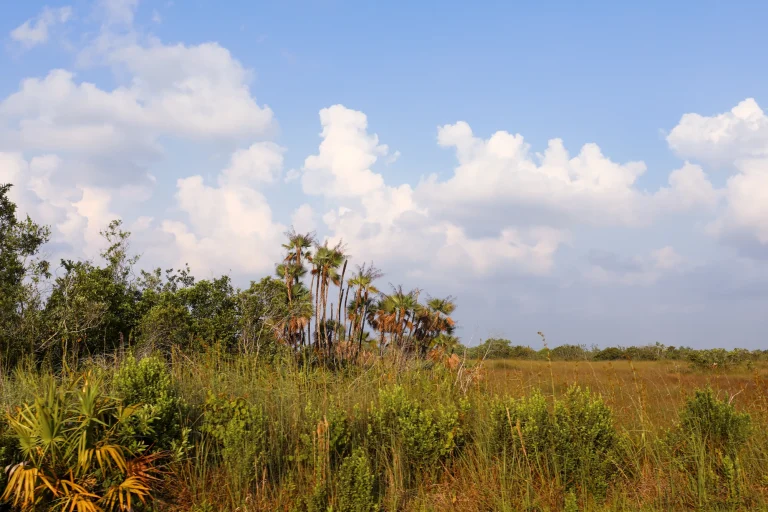
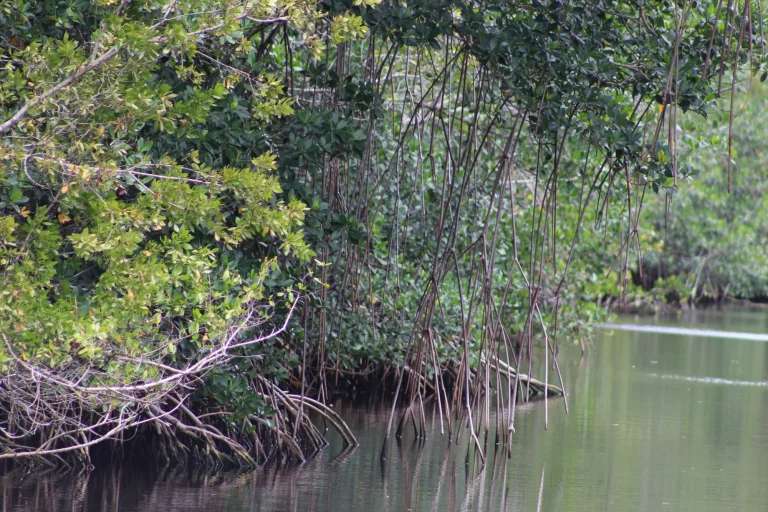
Start with the water. Reflections make the changing sky part of the scene, while floating and emergent vegetation create different textures. Look at the spaces between plants as well as at the plants themselves. A broad view can help you understand the wetland better than a tightly framed detail.
Listen as well as look. Let the group pause at a suitable place where other visitors can still pass. An attentive visit does not require silence from everyone, but it does benefit from a considerate pace. Keep belongings close and avoid blocking the route while you arrange a photograph.
When wildlife is visible, follow park safety guidance and give it space. Do not feed animals, use food to attract them, or move closer because another visitor appears to be doing so. If an animal is near the route, allow staff guidance and the situation itself to determine what you do next.
Prepare for an exposed environment
- Carry drinking water and practical sun protection.
- Bring weather protection that suits the current forecast.
- Consider insect protection and the comfort of everyone in the group.
- Keep a charged device and saved directions, while allowing for unreliable reception.
- Check official accessibility information instead of judging a route from a photograph.
Packing is only part of preparation. Agree on the signs that would make you shorten the walk, rest or change the plan. Heat, rain and individual comfort can matter more than the length of a route. A visitor who wants a brief outing should not feel pressured to match another person’s pace.
Photography should fit around the visit. Keep the boardwalk in some of your images so the relationship between the route and the wetland remains visible. Avoid cropping out barriers or other context in a way that makes a safe viewing position look like off-trail access.
After the walk
Use the experience to choose what comes next. If the open wetland held your attention, learn more about its habitats and water. If you want help interpreting what you saw, compare an appropriate guided experience and confirm its actual meeting place. A tour described as an Everglades outing may operate in another part of the region.
The useful question is not how much you can fit into the rest of the day. It is what would add a different and manageable perspective. One walk, one well-chosen stop and enough time to notice both can make a coherent visit.
Everglades National Park: 3 Hikes + 90 minute Boat Tour + Lunch
This tour will allow you to experience the mysterious and iconic Everglades National Park on this small group (less...
Everglades National Park Self Guided Driving Tour Audio/GPS
Want to know where to turn off? What's at each stop? The history of the Natives? The story of the animals? Why are t...
Everglades National Park Self Guided Driving Tour Audio/GPS
Want to know where to turn off? What's at each stop? The history of the Natives? The story of the animals? Why are there so many Pithons here and wher...

Everglades Birding, Dolphin and Wildlife Boat Tour (2 hours)
Everglades National Park is unique on our planet. It is a wonderful, water-filled paradise that is best accessed by...
Everglades National Park: 3 Hikes + 90 minute Boat Tour + Lunch
This tour will allow you to experience the mysterious and iconic Everglades National Park on this small group (less...
Small-Group Everglades Boating Kayaking and Walking Eco Tour
We are the "Quiet Alternative to an Airboat Ride". A boating, kayaking and walking tour in Everglades National Park...
For a wider plan, return to the entrance guide. Keep official NPS guidance as the source for present access, restrictions and safety decisions.
Everglades National Park Self Guided Driving Tour Audio/GPS
Want to know where to turn off? What's at each stop? The history of the Natives? The story of the animals? Why are there so many Pithons here and wher...

.jpg)