Flamingo and a coastal view of the Everglades
The pink visitor center and the edge of Florida Bay introduce a different scale and atmosphere at the southern end of the park road.

Flamingo brings a coastal perspective to Everglades National Park. Reached by the southern park road, it is a place to understand the relationship between visitor facilities, water and the surrounding landscape. The pink Guy Bradley Visitor Center is an especially recognizable part of that setting.
Keep Flamingo distinct from Everglades City on the western side of the region. They are not the same community or access point, and a route between them should never be imagined from the shared Everglades name. Begin with the park’s official directions and allow the geography to shape the day.

Flamingo Everglades Boat Tours
We are 38 miles inside the Everglades. This is where you will venture up the Buttonwood Canal through Coot Bay and Tarpon Creek into Whitewater Bay as...
This guide concentrates on the setting and a thoughtful way to visit. For present facility access, services and activity details, use the NPS Guy Bradley Visitor Center page and current park alerts. Conditions can change without the landscape becoming less interesting.
A building that belongs in the view
The visitor center’s pink exterior provides a clear architectural counterpoint to vegetation, pale sky and water. Its long, level forms help explain why the place is visually different from an inland wetland trail. When you photograph it, include enough of the surrounding space to keep that relationship visible.
The NPS identifies Flamingo among the examples associated with the park system’s Mission 66 era of modern architecture. This context can make a visit more interesting without turning the building into a decorative backdrop. Read the interpretation on site and distinguish a historic photograph from the present appearance and use of a facility.
Orientation before an activity
A visitor center can be a useful place to ask questions, read interpretation and reconsider a plan. Take that opportunity before moving straight to the next activity. A question about a route, a weather concern or the kind of experience you want may change what makes sense for the day.
Flamingo offers access to coastal environments and water-based experiences described by the NPS. Confirm the precise departure location and current operating details with the relevant provider. Do not assume that every tour called an Everglades tour departs here. In particular, a broad regional description can hide a substantial difference in travel arrangements.
See water as a changing environment
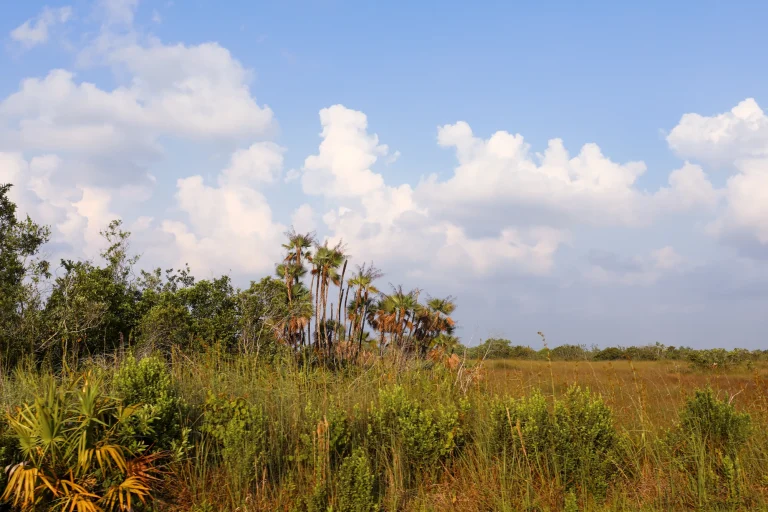
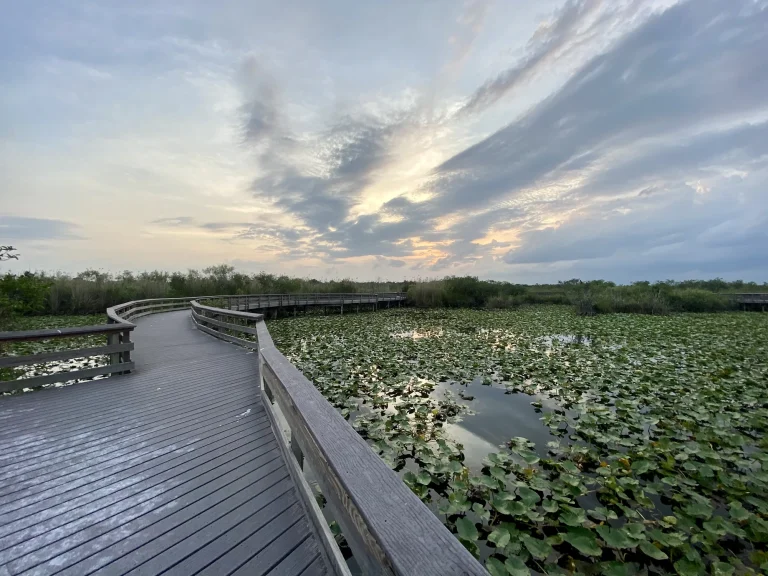
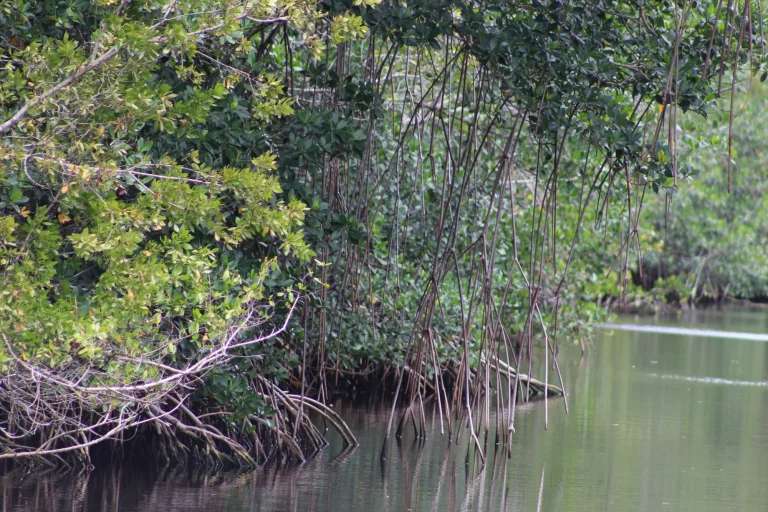
The edge of Florida Bay introduces a different atmosphere from an inland boardwalk. Open views, coastal vegetation and the practical presence of boating facilities create a setting worth observing in its own right. A calm photograph is one moment, not a guarantee about the conditions of a later outing.
Before going onto the water, use current official information and qualified guidance appropriate to your activity. Equipment, skills and rules matter. A scenic description cannot tell you whether an unguided trip is suitable for your group, and this editorial guide is not a route chart or an instruction to enter unfamiliar water.
Make the remote setting part of the plan
- Arrange both the outward journey and the return.
- Bring supplies appropriate to the current conditions and planned time away.
- Save essential information before relying on mobile reception.
- Check the actual location and terms of any reserved activity.
- Leave room to shorten or change the day if conditions require it.
The NPS warns visitors not to rely on on-demand transport for a return journey from Flamingo. That practical detail is a good example of why the final part of a plan matters as much as the arrival. Decide how you will leave while you still have several workable choices.
Treat people working in the park with the same attention you give the landscape. Ask before making someone the subject of a photograph. Do not imply that a staff member, guide or visitor endorses a business simply because they appear in an image.
One perspective within a larger region
Flamingo is a valuable part of the Everglades story, but it is not a substitute for the region’s other environments or communities. Learn about contrasting habitats, and make your next choice according to the place you want to understand.
Flamingo Everglades Boat Tours
We are 38 miles inside the Everglades. This is where you will venture up the Buttonwood Canal through Coot Bay and T...
Flamingo Everglades Boat Tours
We are 38 miles inside the Everglades. This is where you will venture up the Buttonwood Canal through Coot Bay and Tarpon Creek into Whitewater Bay as...
For a visit that includes an overnight stay, start with our guide to choosing a base. For the architectural context, the NPS discussion of Mission 66 and modern architecture explains the broader program without treating every building as identical.